

Termite Treatment in Coral Springs, FL
Formosan and native subterranean termites thrive year-round in South Florida's subtropical environment, with colonies becoming especially active during the warm, wet months from May through October. Termite treatment in Coral Springs requires prompt action once damage is suspected, since these pests work continuously inside wood structures and can compromise structural integrity over time. Cruz Pest Control connects Coral Springs homeowners with local pest control providers who can assess termite activity, recommend appropriate treatment options, and help protect your property from ongoing infestation.
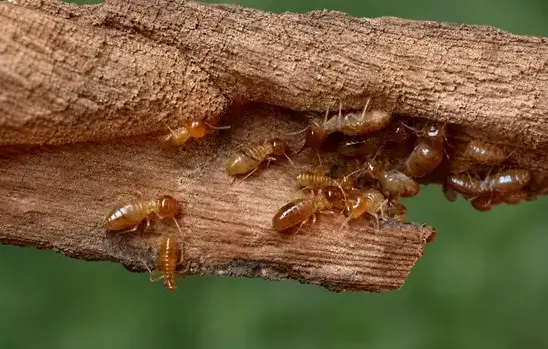
When do termites swarm in Coral Springs, FL?
Seasonal advice is usually written for the whole country. These are the published figures for the species, placed next to the measured climate for this city specifically.
“Native subterranean termites begin swarming in February/March, swarm during the day, and are not attracted to lights.” UGA Extension
“Formosan termites (1) swarm at night; (2) swarm in late May and/or early June (in Georgia), and (3) swarmers are attracted to light.” UGA Extension
“In Pennsylvania, swarms of winged termites usually emerge between February and June.” Penn State Extension
The behavior is the part that travels: a swarm in daylight that ignores a porch light is a native subterranean termite, while a swarm after dark drawn to the light is Formosan. The months do not travel — the same native species begins in February or March in Georgia but can emerge any time from February to June in Pennsylvania, so the dates below matter more than either range.

Termite Treatment in Coral Springs Protects Your Home Year-Round
Homeowners in Coral Springs face persistent termite pressure due to the region's warm, subtropical climate and extended pest season. Formosan and native subterranean termites thrive in South Florida's environment, and activity escalates during the humid months from May through October when moisture and warmth accelerate colony growth and foraging behavior. Termites work quietly and continuously, often causing structural damage long before visible signs appear. A single infestation can compromise wooden framing, support beams, and foundation elements over time, making early detection and prompt Termite Treatment essential to protecting your property investment.
Cruz Pest Control connects Coral Springs homeowners with independent local pest control providers who specialize in thorough Termite Treatment tailored to your home's specific situation. These providers use a comprehensive approach—inspecting vulnerable areas, identifying active termite activity, and implementing targeted treatment to eliminate colonies at their source. Follow-up monitoring and preventive measures help safeguard against reinfestation, giving you confidence that your home is protected. Whether you've detected termites or want to establish a preventive defense, connecting with a local provider through Cruz Pest Control puts effective solutions within reach.
Why Coral Springs Homeowners Choose Cruz Pest Control
Fast Local Termite Treatment Response
Cruz connects you with independent local providers who understand Coral Springs properties and respond quickly to termite concerns. Fast action limits damage and gives you peace of mind when an infestation is discovered.
Thorough Termite Treatment Inspections
Termite treatment starts with a complete property assessment. Independent providers connected through Cruz conduct detailed inspections to locate active colonies and vulnerable entry points before recommending a treatment plan.
Clear Communication Throughout Treatment
Effective termite treatment requires you to understand what's happening and what to expect. Cruz's independent providers explain findings, answer questions, and keep you informed at every stage of the process.
Year-Round Termite Treatment Coverage
South Florida's warm subtropical climate means termite activity persists throughout the year, intensifying during the wet season from May through October. Coral Springs homeowners benefit from providers ready to address termite threats whenever they emerge.
How Our Termite Treatment Works
Schedule Your Termite Treatment Visit
Contact Cruz Pest Control to connect with a local termite treatment provider in Coral Springs. They'll arrange a time to inspect your property for signs of termite activity and determine the extent of infestation.
Termite Inspection and Treatment Plan
The local provider conducts a detailed termite inspection, identifying entry points and damage. In South Florida's warm climate, subterranean termites remain active year-round, intensifying during the May-through-October rainy season—your provider develops a treatment strategy tailored to your home's specific termite problem.
Complete Termite Treatment and Monitoring
The independent provider applies termite treatment to affected areas and establishes a monitoring plan to track results. Follow-up visits ensure the termite treatment is performing as intended and catch any new activity early.
Ready to get rid of termites in Coral Springs? A local provider can get started fast.
Call (954) 335-7414Termite Treatment Needs Across Coral Springs
Coral Springs properties face year-round termite pressure from both Formosan and native subterranean termites, with activity intensifying significantly during the warm, rainy season from May through October. The subtropical climate creates ideal conditions for these wood-damaging pests, making termite treatment a critical concern for property owners throughout the area. Established neighborhoods with mature trees and aging structures often present higher risk, as older construction materials and proximity to vegetation create multiple entry points and food sources for termite colonies.
Newer developments across Coral Springs—such as those in Eagle Trace and Turtle Run—may experience different treatment challenges based on construction methods and landscape maturity, though termite risk remains substantial regardless of a home's age. Because pest activity remains consistent across seasons in this region, prompt identification and professional termite treatment is essential to prevent costly structural damage. Local providers connected through Cruz Pest Control understand how Coral Springs' unique property layouts and climate patterns influence termite behavior and treatment strategy, ensuring that your termite control plan is tailored to your home's specific vulnerability.
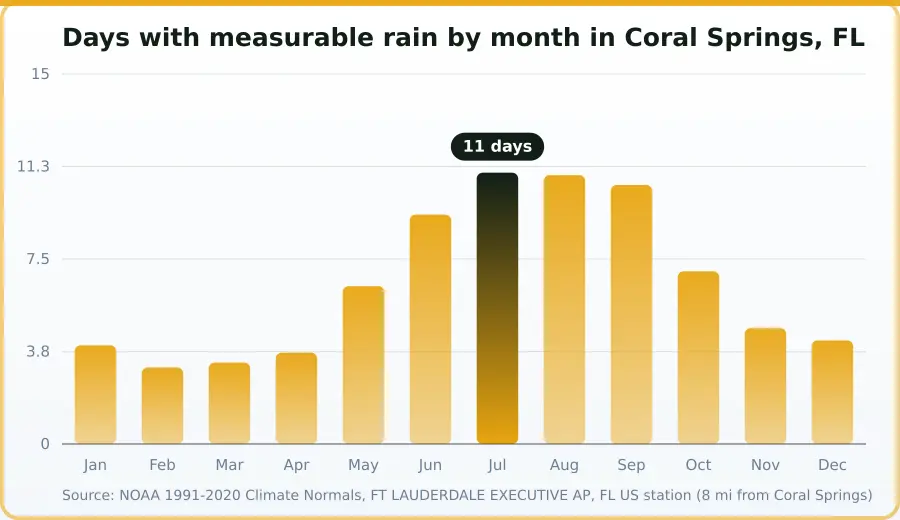
| Period | Days with measurable rain by month (days) |
|---|---|
| Jan | 4 |
| Feb | 3.1 |
| Mar | 3.3 |
| Apr | 3.7 |
| May | 6.4 |
| Jun | 9.3 |
| Jul | 11 |
| Aug | 10.9 |
| Sep | 10.5 |
| Oct | 7 |
| Nov | 4.7 |
| Dec | 4.2 |
Source: NOAA 1991-2020 Climate Normals, FT LAUDERDALE EXECUTIVE AP, FL US station (8 mi from Coral Springs). Retrieved October 27, 2026.
Year-Round Termite Treatment Needs in Coral Springs
Spring: Swarming Season
Spring termite swarms signal active colonies seeking mates and new territory. Homeowners spotting winged termites indoors or near foundations should contact Cruz Pest Control immediately for provider referral to inspect and treat infestations before colonies expand significantly.
Summer: Peak Activity
Summer's heat and frequent rainfall—averaging 9.3 rain days in June alone—accelerate termite feeding and reproduction. Formosan and native subterranean termites thrive in warm, moist soil; Cruz Pest Control connects you with local providers experienced in treating active summer infestations before structural damage compounds.
Fall: Intensifying Pressure
Fall brings continued termite activity as colonies prepare for cooler months, with over 10 rain days in September intensifying underground moisture levels. Termite Treatment in fall prevents colonies from establishing deeper, harder-to-reach positions in soil and foundations before year's end.
Winter: Persistent Threat
Coral Springs' frost-free year provides no natural termite dormancy—subterranean termites remain active throughout winter, tunneling deeper into soil and wood. Routine inspection and preventive termite treatment during winter months safeguards homes when activity may go unnoticed; Cruz Pest Control links you with local providers for cold-season assessments.
Termite Treatment FAQs — Coral Springs, FL
Termite treatment typically begins with a thorough inspection to locate active colonies and damage. The independent local provider you're connected with will assess entry points and wood-to-soil contact areas, then apply targeted treatments—often soil barriers or spot treatments—designed to eliminate the infestation. You'll receive a clear explanation of the approach and what to expect during and after service.
Cruz Pest Control connects you with local independent providers in Coral Springs who understand the urgency of active termite problems. Response times vary by provider, but many can schedule inspections and treatments quickly once you submit your details. Contact a provider directly to discuss your timeline and get a service appointment that fits your needs.
Termite treatment costs depend on factors like the infestation's size and severity, the extent of property inspection needed, and the treatment method recommended. Home size, construction type, and whether preventive measures are included also influence pricing. The independent provider you connect with will give you a detailed estimate based on your specific situation.
Your provider will give specific pre-treatment instructions when confirming your appointment. Generally, you may need to clear access to affected areas, move personal items away from treatment zones, and arrange for family members and pets to be elsewhere during the service. Ask your provider about any prep work needed and how long you should stay away from treated areas.
Prevention starts with removing moisture and wood-to-soil contact around your home's foundation. Keep gutters clear, maintain proper drainage, and store firewood away from the house. Many providers recommend routine inspections to catch early signs of activity. Ask your treatment provider about ongoing monitoring options or preventive barriers to reduce re-infestation risk.
South Florida's warm, humid climate supports termite activity throughout the year, though pressure intensifies during the warmer, rainy months from May through October. Subterranean termites remain active even in cooler periods, so prompt treatment is important regardless of season. Don't delay if you notice signs of activity—year-round vigilance protects your home.
Related Services
Homeowner Safety Toolkit
Verify Your Coral Springs, FL Pest Control Company
Before you hire anyone, use these independent national resources to confirm credentials, standards, and track record.
BBB
Look up any pest control company's complaint history, customer reviews, and accreditation status — a free, independent check before you hire.
Check StandingNPMA
QualityPro is the pest control industry's own accreditation program, endorsed by the National Pest Management Association. Find and verify a company's accreditation before you hire.
Find a Certified ProAAPCO
The national association of state pesticide regulators. Use it to find your own state's licensing agency and confirm a company's applicator license is current.
Find Your State AgencyDealing with termites in Coral Springs? Get fast, targeted treatment from a local provider.
Call (954) 335-7414Areas We Serve in Coral Springs, Florida
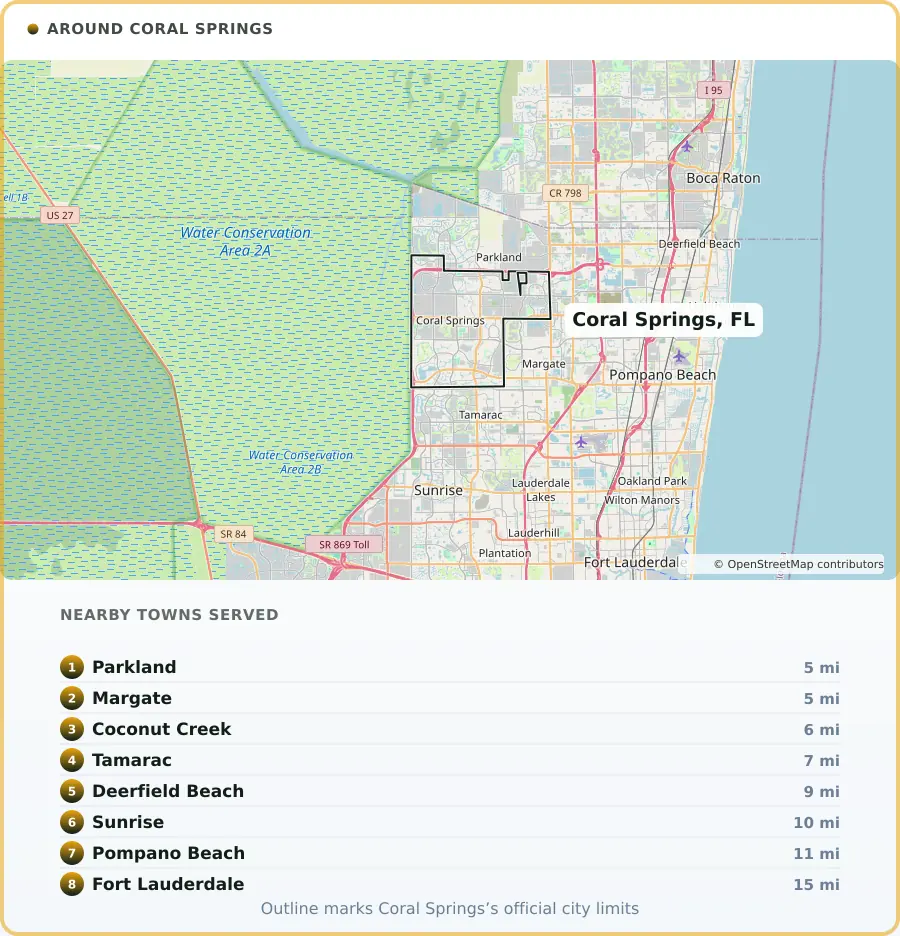
Based in Coral Springs, FL, with 8 nearby communities inside the service area — near enough to reach quickly, not just listed on a map.
Coral Springs, FL Information
Tucked in the heart of Broward County, Coral Springs, FL is a carefully planned community of roughly 134,000 residents that blends tree-lined neighborhoods with a steady, diversified economy. Healthcare, education, and retail form the backbone of daily life here, with the City of Coral Springs, Broward County Public Schools, and HCA Florida Coral Springs Medical Center among the largest employers. Shopping corridors like The Walk and Coral Square keep the local economy humming, while easy access to Fort Lauderdale has brought a steady flow of corporate offices, finance, and professional services into the mix.
Neighborhoods such as Eagle Trace and Turtle Run reflect the city's suburban character, offering a quieter counterpoint to nearby commercial growth. It's a city built for comfortable living, strong schools, and a workforce that spans technology, construction, and everyday retail alike.

Photo: Chris Light, CC BY-SA 4.0